 Skip to content
Dr. Jorge Mario Barliza
Endodontics
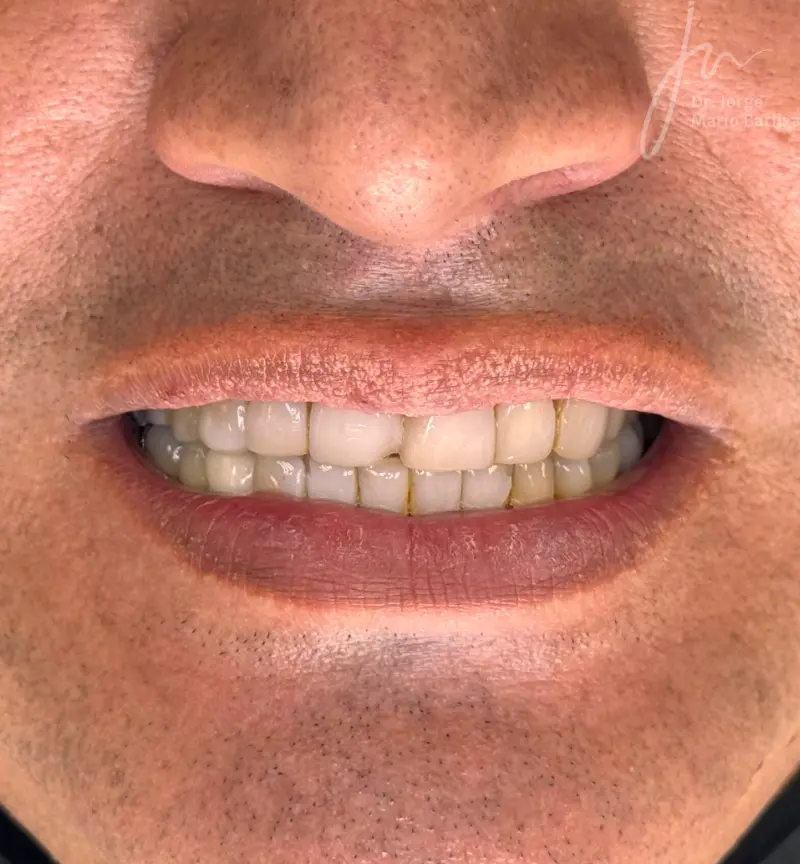
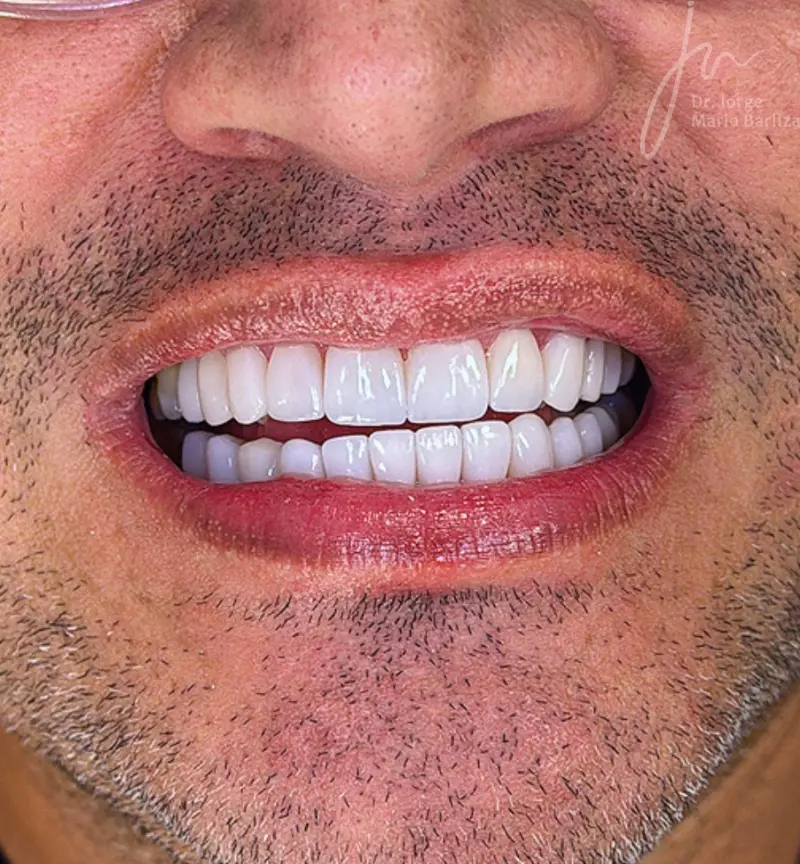
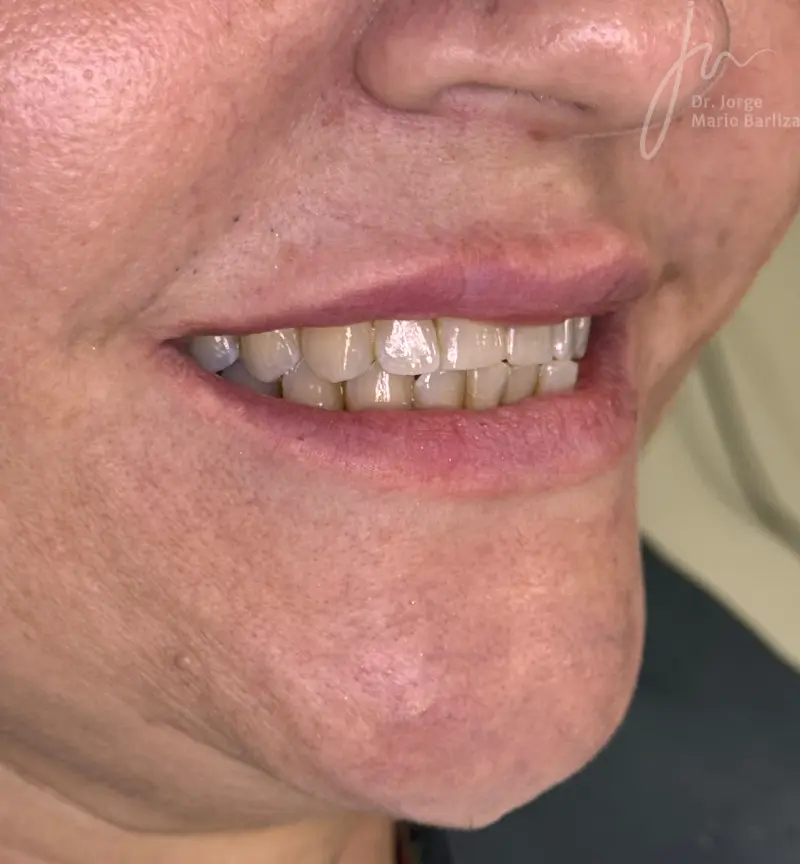
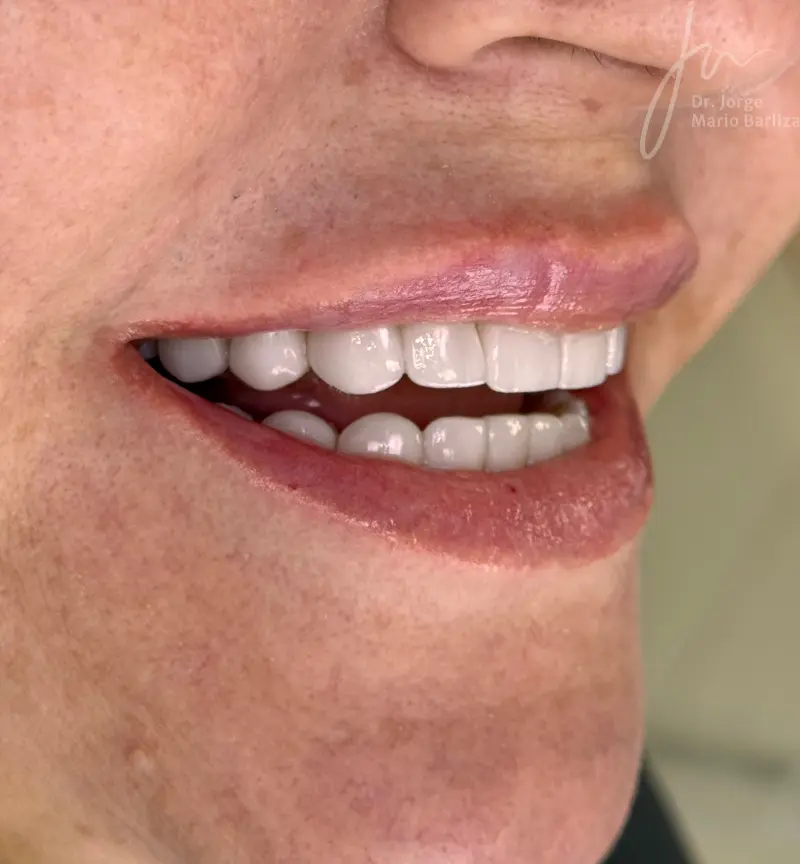
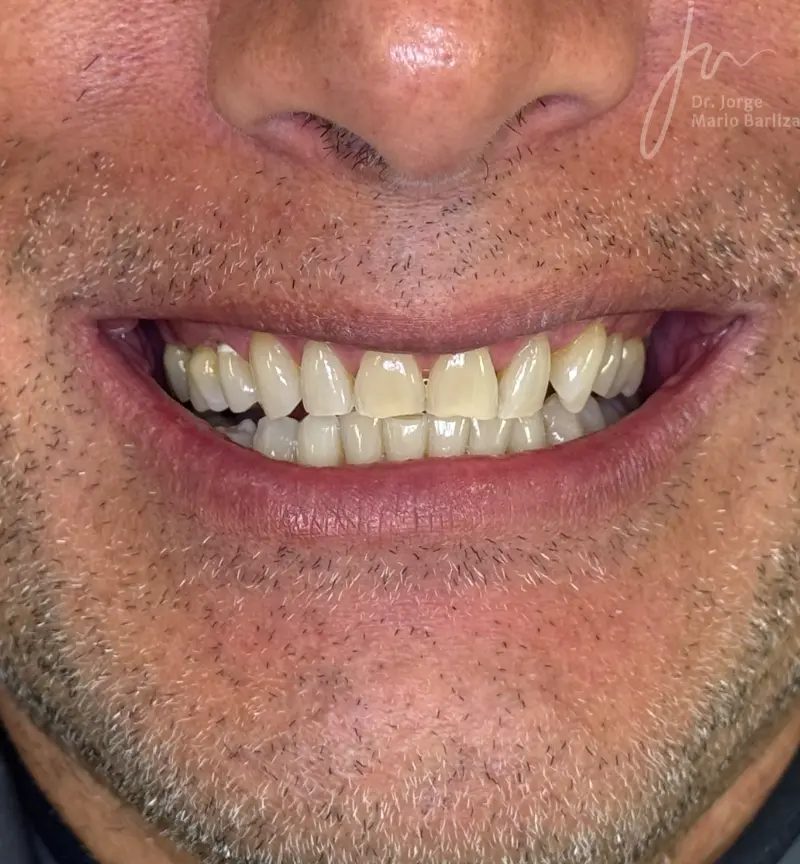
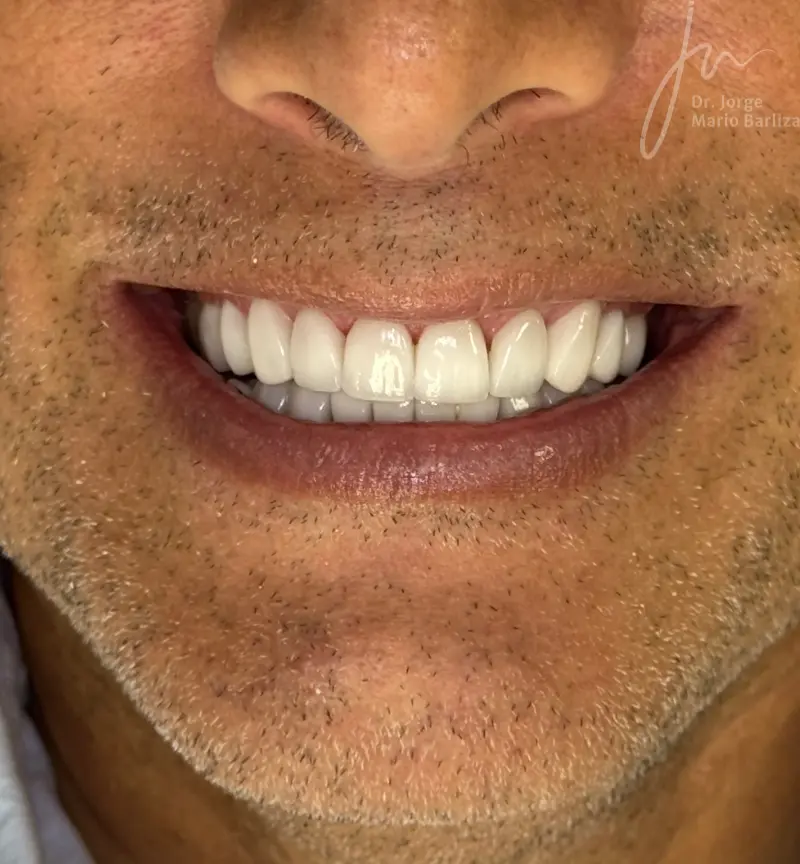
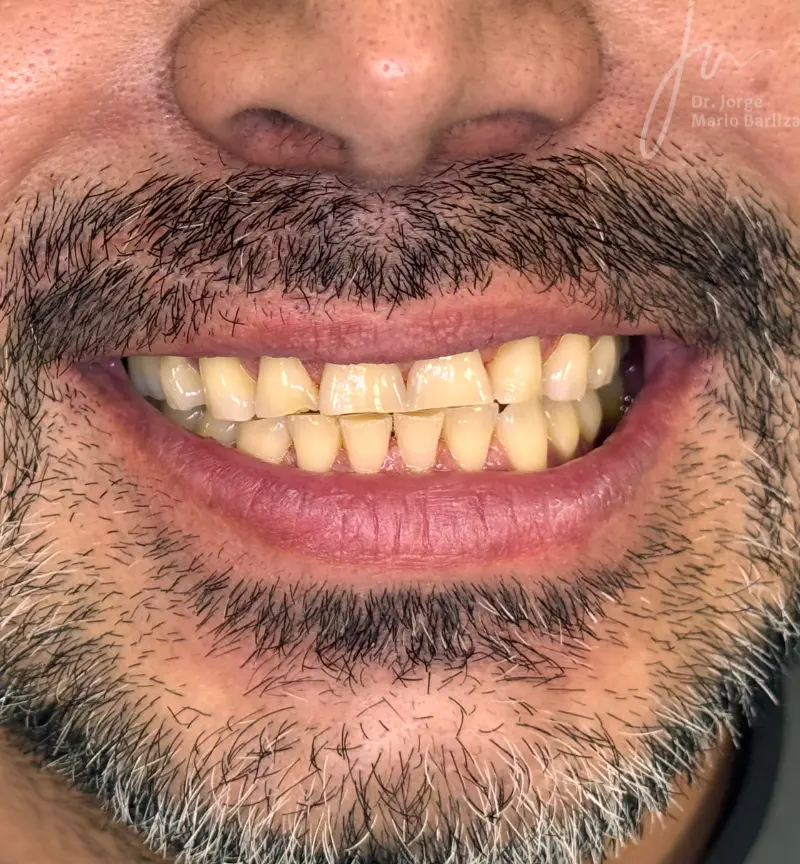
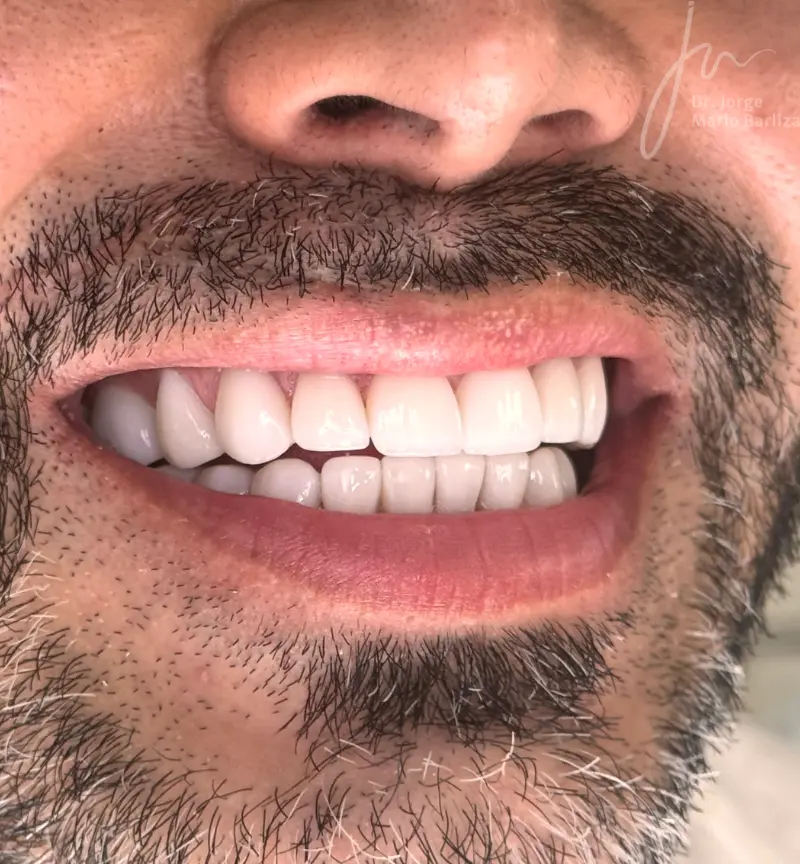
What does the treatment include?
One procedure. Results that last.
Conventional endodontics solves the problem from the inside.,
without needing to extract the tooth.
Conventional Endodontics
When a deep cavity, fracture, or trauma affects the tooth's pulp, clear signs appear: pain, extreme sensitivity, or swelling. Root canal treatment removes the affected tissue, disinfects the canal, and seals it—saving the tooth without the need for extraction.
- It eliminates the pain caused by the infection.
- Preserves the natural tooth in the mouth
- It prevents the spread of infection to the bone.
- Outpatient procedure, in one or two appointments
- Ideal base for subsequent crown restoration
Ideal for: Teeth with pulp affected by deep caries, fracture or trauma, that still have sufficient root structure to be preserved.
As We work
This is your path to the smile you deserve
Simple. Personalized. No surprises.

+15 Years
Transforming Smiles
+1.000
Improved smiles
Why Dr. Barliza
We are not just another doctor's office. We are the place where smiles change lives.
Dr. Jorge Mario Barliza has dedicated years to specializing in a single goal: helping his patients regain the confidence to smile. Each case is treated uniquely, using cutting-edge technology and an aesthetic approach that goes far beyond the technical aspects.
- Precise radiographic diagnosis — We evaluate each canal before intervening to leave no stone unturned
- Effective anesthesia from the first moment — The procedure doesn't have to hurt
- Experience in complex retreatment — Cases where other previous treatments failed
- Comprehensive approach — We coordinate endodontics with the final restoration to ensure the tooth is protected long-term.
- Direct attention from the specialist — The doctor is present at every stage of the procedure
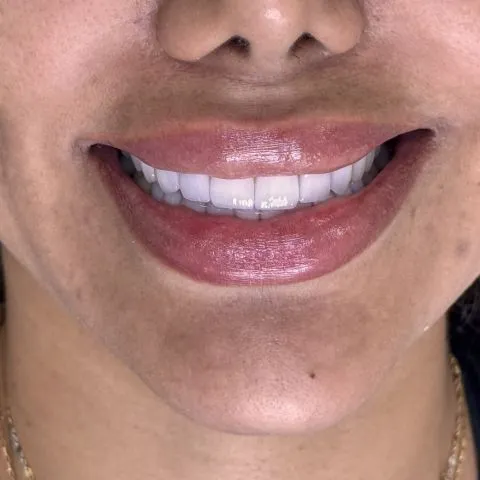
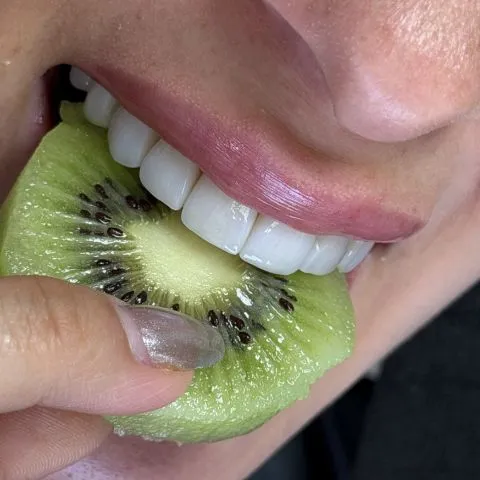
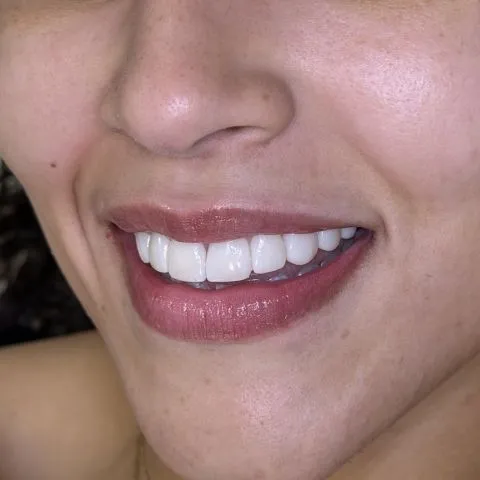
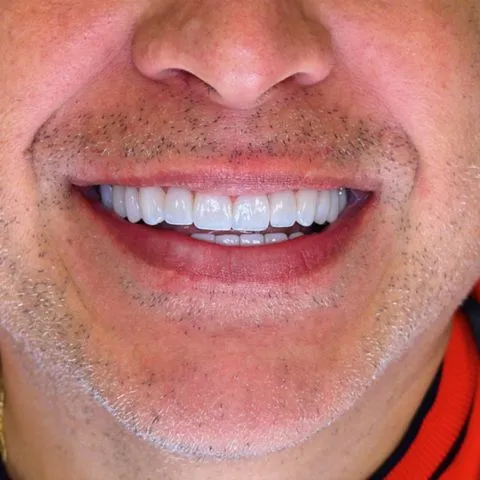
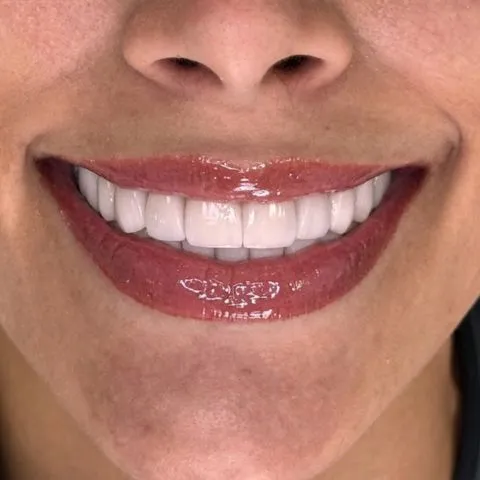
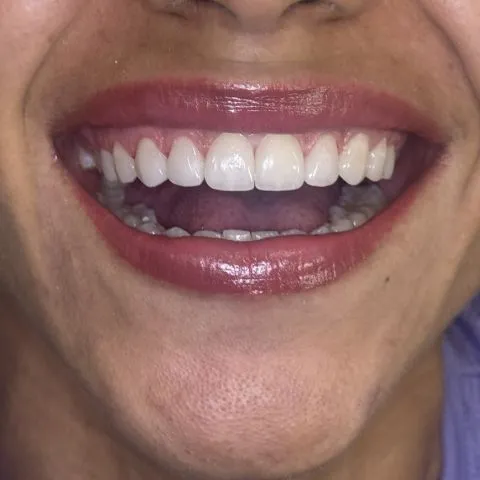
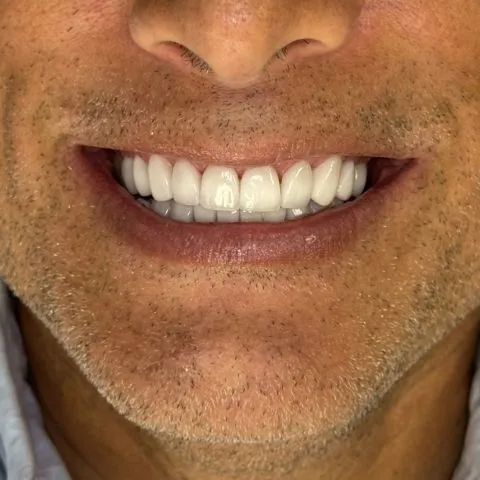
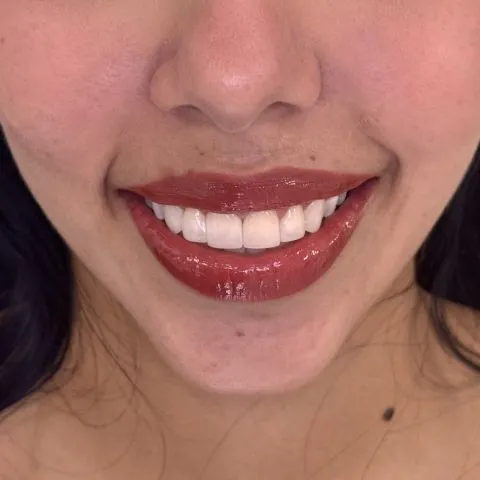
Stories of success
1,000+ smiles transformed
Real stories. Real results. Yours could be next.

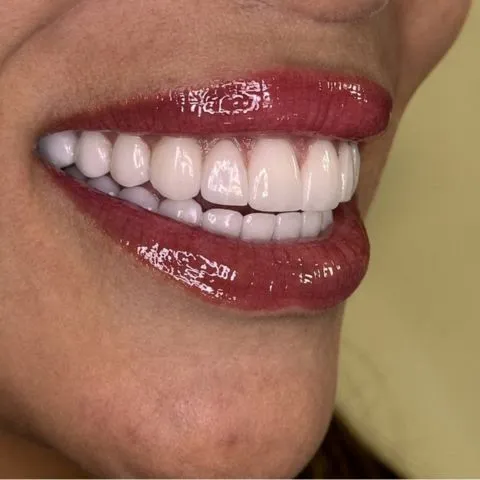
Frequently Asked Questions about Smile Design
The procedure itself doesn't hurt because it's performed under local anesthesia; what hurts is the infection before the treatment. After a root canal, it's normal to feel some sensitivity or mild discomfort for the first few days, but this disappears quickly.
In most cases, conventional root canal treatment is completed in one or two appointments. Cases with more extensive infections may require an additional appointment to ensure thorough disinfection before sealing.
With a good subsequent restoration—ideally a crown—and proper hygiene, yes. The most important factor for the longevity of a tooth after root canal treatment is to protect it structurally with an appropriate restoration.
When a tooth is lost, the empty space causes neighboring teeth to shift, leading to progressive bone loss in the area and the need for an implant or prosthesis to restore function. Root canal treatment, when feasible, is always the most conservative and economical option in the long run.
We coordinate both procedures in a planned manner. The crown is placed after confirming the root canal was successful, to avoid compromising the final restoration. We'll explain the exact timelines during your consultation.
LET'S TALK!
Your smile transformation begins here
A simple conversation could change everything. Let’s plan your journey—at your pace, with zero pressure.
 Spanish
  English