 Skip to content
Dr. Jorge Mario Barliza
Pediatric Dentistry
Treatments
Everything your teeth son need
Prevention from the first tooth to the permanent dentition.
Pediatric Consultation
A pediatric checkup is much more than just checking for cavities. It's a complete evaluation of a child's oral development.
- Comprehensive assessment of oral development from early childhood
- Detection of habits that can affect permanent teeth
- A practical guide for parents on child hygiene
- Environment designed to make the child feel safe and comfortable
- Build a positive relationship with your dentist from the start
Ideal for: Babies, children in the milk teething stage and children transitioning to permanent teeth.
Children's Dental Cleaning
Professional dental cleaning in children removes plaque and tartar buildup in areas where a child's toothbrush cannot reach.
- Remove plaque and tartar with pediatric instruments
- It prevents cavities in baby and permanent teeth.
- Includes comprehensive review and development assessment
- Reinforcement of age-appropriate brushing technique
- Recommended every 6 months
Ideal for: Children from the eruption of the first teeth until 12-14 years of age.
Dental Sealants
Sealants are a protective layer of resin that is applied to the chewing surfaces of molars.
- Prevents up to 80% of cavities on chewing surfaces
- Quick, painless procedure without anesthesia
- Long-lasting protection — checkable at every check-up
- Especially indicated for newly erupted permanent molars
- Preventive investment that avoids future restorations
Ideal for: Children between 6 and 12 years old, especially when the first and second permanent molars erupt.
Fluoridation
Professional fluoridation consists of the topical application of high concentration fluoride directly onto the child's teeth.
- Strengthens developing tooth enamel
- Significantly reduces the risk of cavities
- Quick, painless procedure with no side effects
- The ideal complement to professional cleaning
- Recommended every 6 months along with cleaning
Ideal for: Children from 2-3 years old until the end of adolescence, with special emphasis during periods of eruption of permanent teeth.
As We work
What happens on a first date?
No surprises. Not for the child, nor for the parents.

+15 Years
Transforming Smiles
+1.000
Improved smiles
Why Dr. Barliza
We are not just another doctor's office. We are the place where smiles change lives.
At Dr. Barliza's practice, children aren't just small adult patients. They have their own protocol, their own pace, and a team trained to make every visit a positive experience—because a child who isn't afraid of the dentist is an adult with lifelong oral health.
- Child-friendly environment — A peaceful date, free of intimidating elements, at the child's pace
- Attention from the first tooth — We don't wait until age 3 to start care
- Active guidance for parents — Each appointment includes guidance on hygiene and habits at home
- Preventive approach — Sealants and fluoridation to prevent cavities before they appear
- Long-term vision — Childcare is the foundation of adult oral health
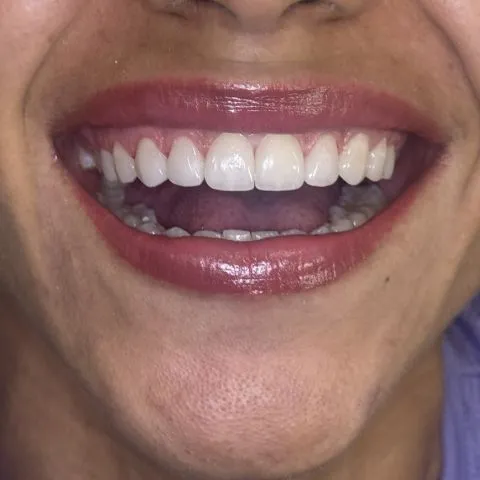
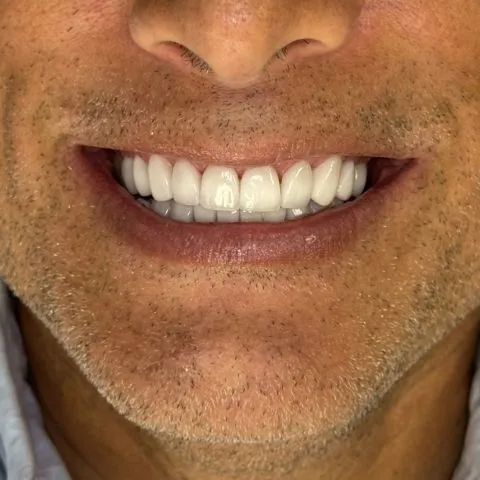
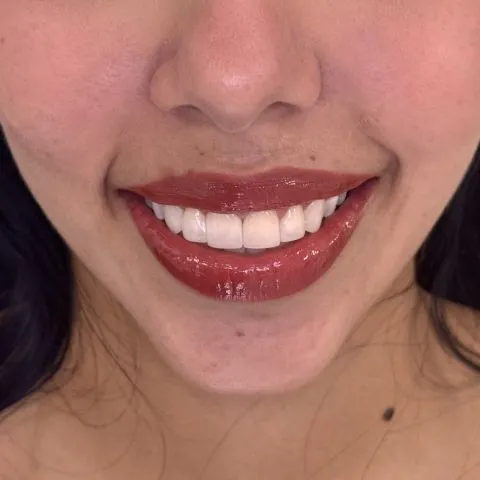
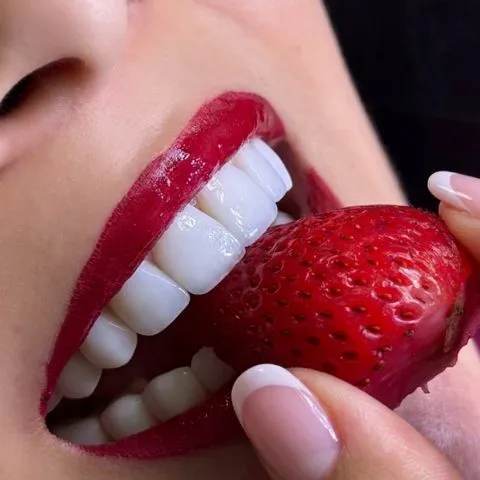
Stories of success
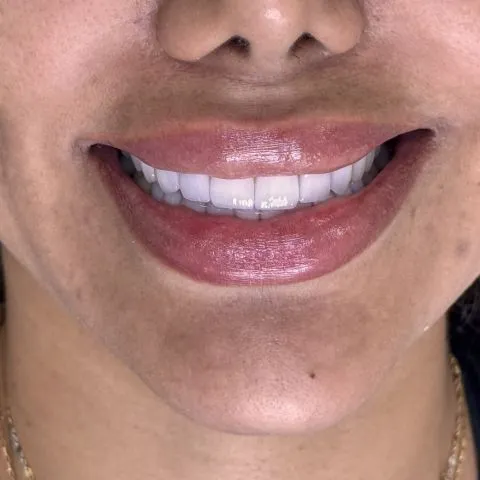
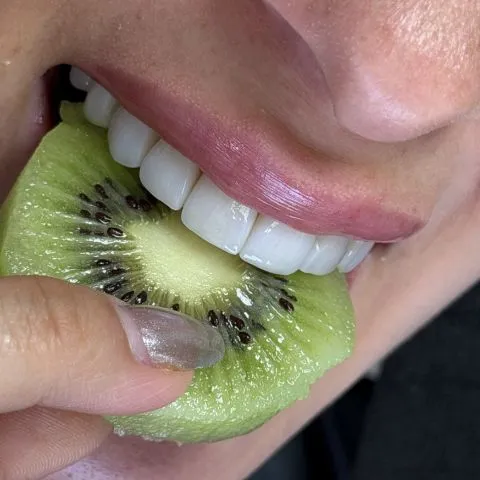
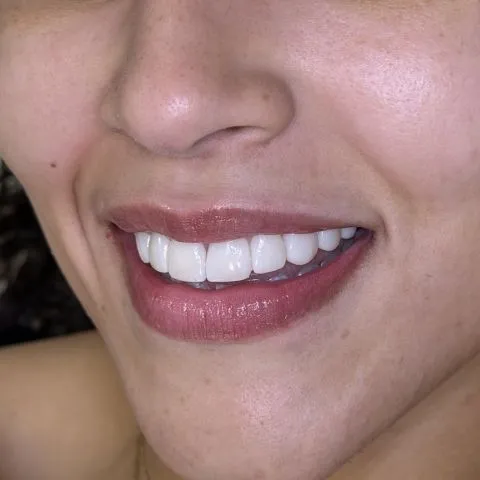
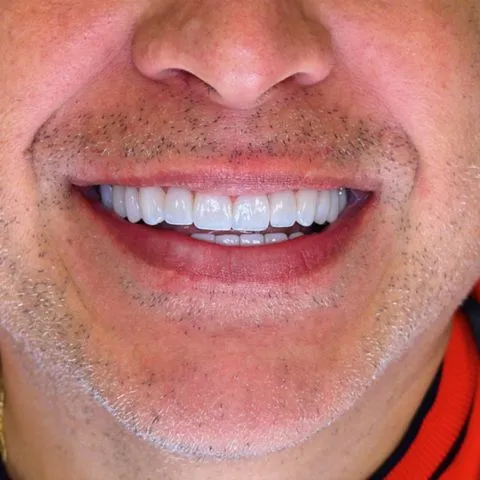
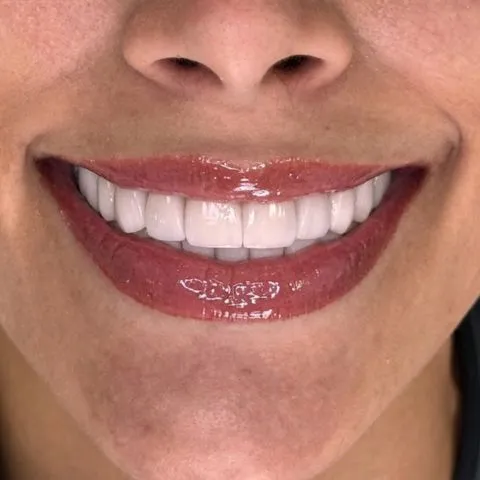
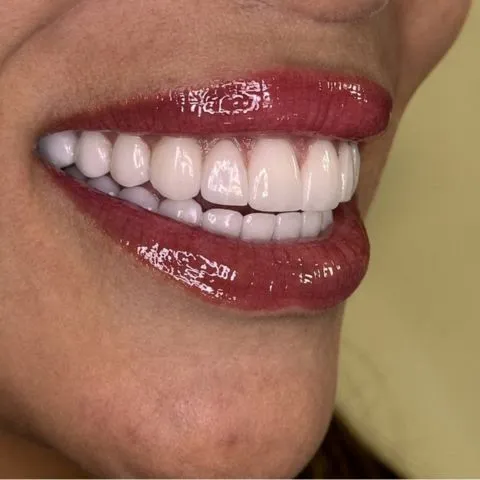
1,000+ smiles transformed
Real stories. Real results. Yours could be next.
Frequently Asked Questions
The recommendation is to bring the child in around their first birthday, or when their first baby tooth appears—whichever comes first. Starting early allows for the detection of problematic habits, provides guidance to parents, and helps the child become familiar with the dental office without anxiety.
Yes. Baby teeth hold the space for permanent teeth, guide their eruption, and are essential for chewing and speech. An untreated cavity in a baby tooth can cause pain, infection, and affect the development of the permanent tooth that erupts behind it.
No. Bathing children is done with specially adapted tools and a gentle technique. For most children, it's a comfortable experience, especially when done regularly from a young age.
The ideal time is when the first permanent molars erupt, around age 6, and again when the second molars appear, around age 12. The sooner they are applied, the greater the protection.
Every 6 months. This frequency allows monitoring of development, application of fluoridation, and detection of any problems at an early stage — when it is simpler and cheaper to treat.
It's more common than you might think and completely manageable. In our practice, we dedicate time to creating a comfortable environment before any procedure. We don't rush the child or force any steps. The goal of the first appointment can simply be to get acquainted with the space and the doctor—and that's already a huge step forward.
LET'S TALK!
Her smile Start taking care of yourself today.
Schedule your child's first appointment and start building habits now that will last a lifetime.
 Spanish
  English