 Skip to content
Dr. Jorge Mario Barliza
Orthodontics
Straight teeth. Correct bite. A smile that works as well as it looks.
Invisible aligners
Aesthetic braces
Traditional Braces
Types of treatment
Two paths to your best smile
The ideal treatment depends on your specific case. Here we explain each option.
Braces
Braces are the most versatile orthodontic system and offer the greatest capacity for tooth movement. They are bonded directly to the teeth and guided by a metal archwire that is adjusted periodically to move each tooth into its ideal position.
Available in a metallic version —the most resistant and economical— and in an aesthetic version of ceramic or sapphire, practically invisible from a distance.
- Greater control over complex movements
- It works in simple cases and in the most demanding ones.
- The patient doesn't need to remember to use them — they're fixed in place.
- Available aesthetic options (ceramic / sapphire)
- Generally the least expensive treatment
Ideal for: Any patient, especially cases with complex malocclusions, severe rotations, or the need for high-precision movements.
Clear Aligners
Clear aligners are high-precision, removable trays that gradually move teeth, are virtually invisible, and reduce treatment time. Each set of aligners brings your teeth a little closer to the final result, following a digital plan designed from day one.
No brackets, no wires, no dietary restrictions of traditional braces. You remove them to eat, to brush your teeth, and for any occasion you'd rather not wear them—though consistent use is key to the results.
- Virtually invisible in everyday life
- Removable for eating, brushing and special occasions
- No dietary restrictions
- Fewer adjustment visits
- Digital planning — you can see the expected result before you begin
Ideal for: Adults and adolescents who prioritize discretion and have mild to moderate crowding. Also indicated for retreatment or post-orthodontic cases.
Quick comparison
Braces or aligners? We help you choose
| |
Braces |
Aligners |
|---|---|---|
| Visibility | Metallic or aesthetic | Virtually invisible |
| Removable | No | Yeah |
| Complex cases | High capacity | Mild to moderate cases |
| Food restrictions | Yeah | No |
| Required discipline | Low (they're fixed) | High (20-22h/day) |
| Adjustment visits | Every 4-6 weeks | Every 6-8 weeks |
| General cost | Minor | Elderly |
* The final decision is always made during the assessment, where we analyze your clinical case and recommend the option that best suits your goals, your case, and your lifestyle.
As We work
This is your path to the smile you deserve
Simple. Personalized. No surprises.

+15 Years
Transforming Smiles
+1.000
Improved smiles
Why Dr. Barliza
We are not just another doctor's office. We are the place where smiles change lives.
Dr. Jorge Mario Barliza has dedicated years to specializing in a single goal: helping his patients regain the confidence to smile. Each case is treated uniquely, using cutting-edge technology and an aesthetic approach that goes far beyond the technical aspects.
- Complete digital diagnosis — Models, X-rays, and bite analysis before we begin
- Options for every profile — Aesthetic braces or aligners depending on your case and lifestyle
- Transparent plan from day one — You know exactly what to expect, how long it takes, and how much it costs.
- Direct attention from our team of specialists
- Comprehensive approach — If your case requires combining orthodontics with smile design or implants, we'll plan it together.
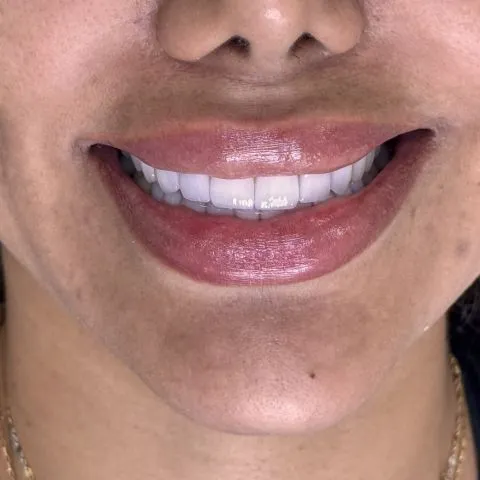
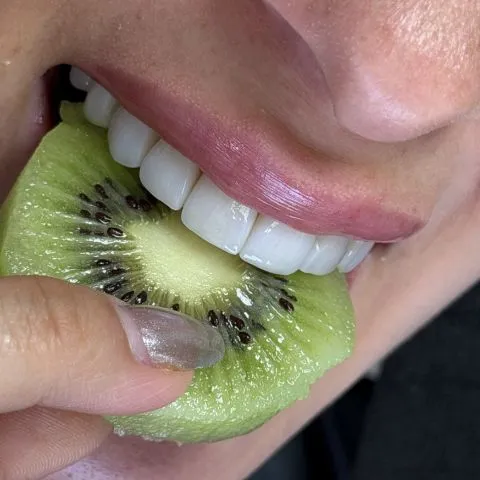
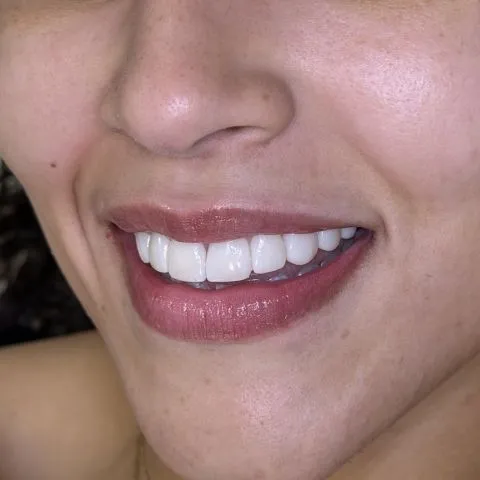
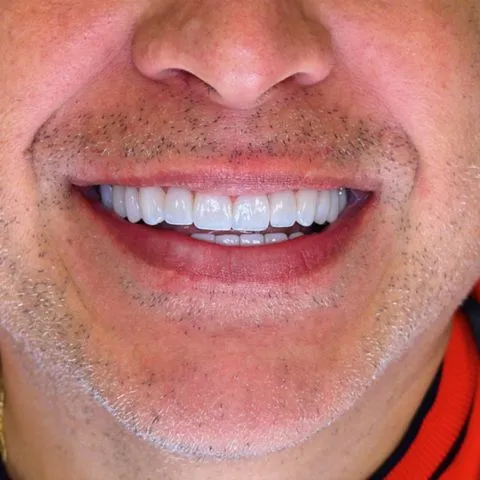
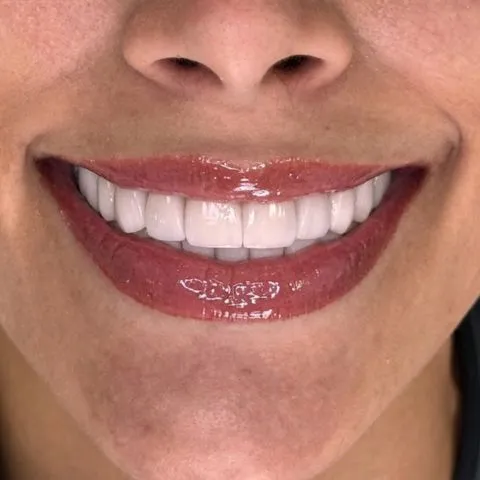
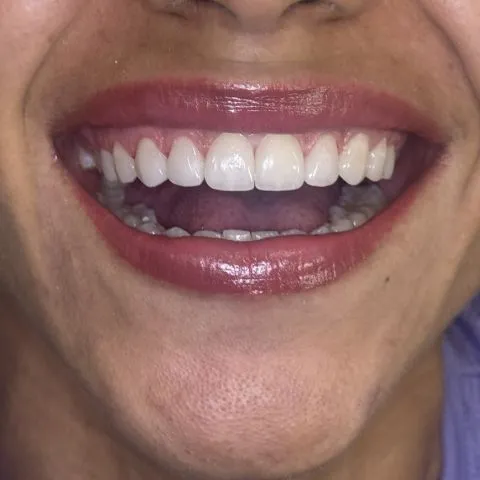
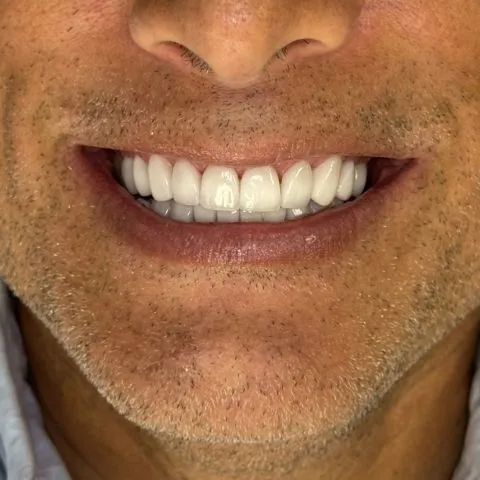
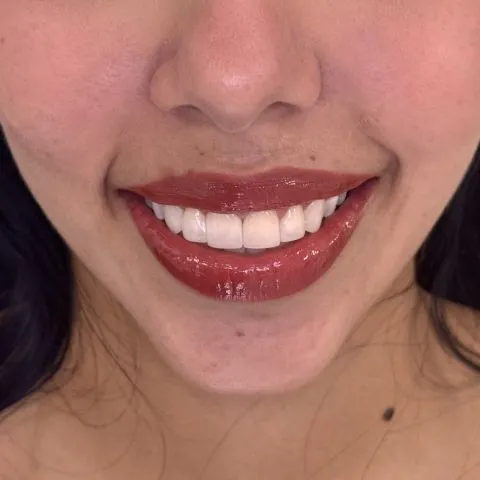
Stories of success
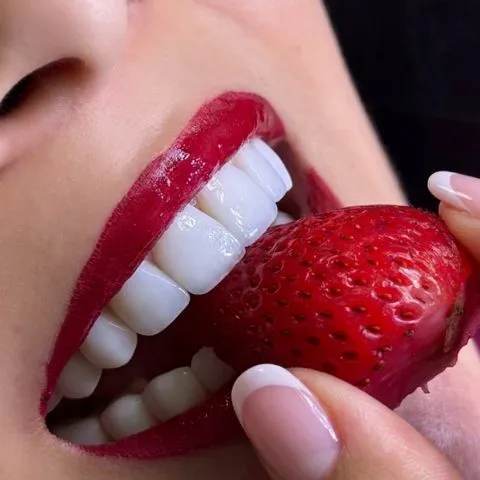
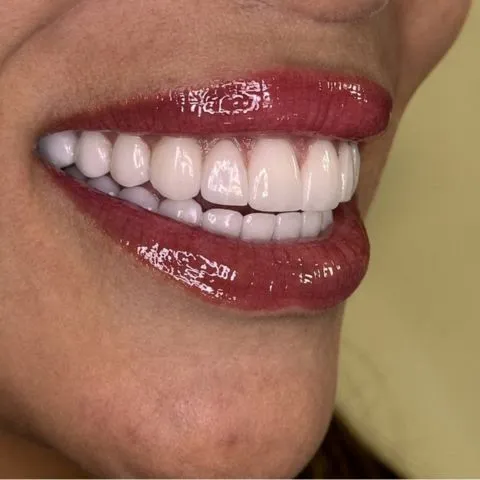
1,000+ smiles transformed
Real stories. Real results. Yours could be next.
Frequently Asked Questions about Orthodontics
LET'S TALK!
Your smile transformation begins here
A simple conversation could change everything. Let’s plan your journey—at your pace, with zero pressure.
 Spanish
  English